Gaia
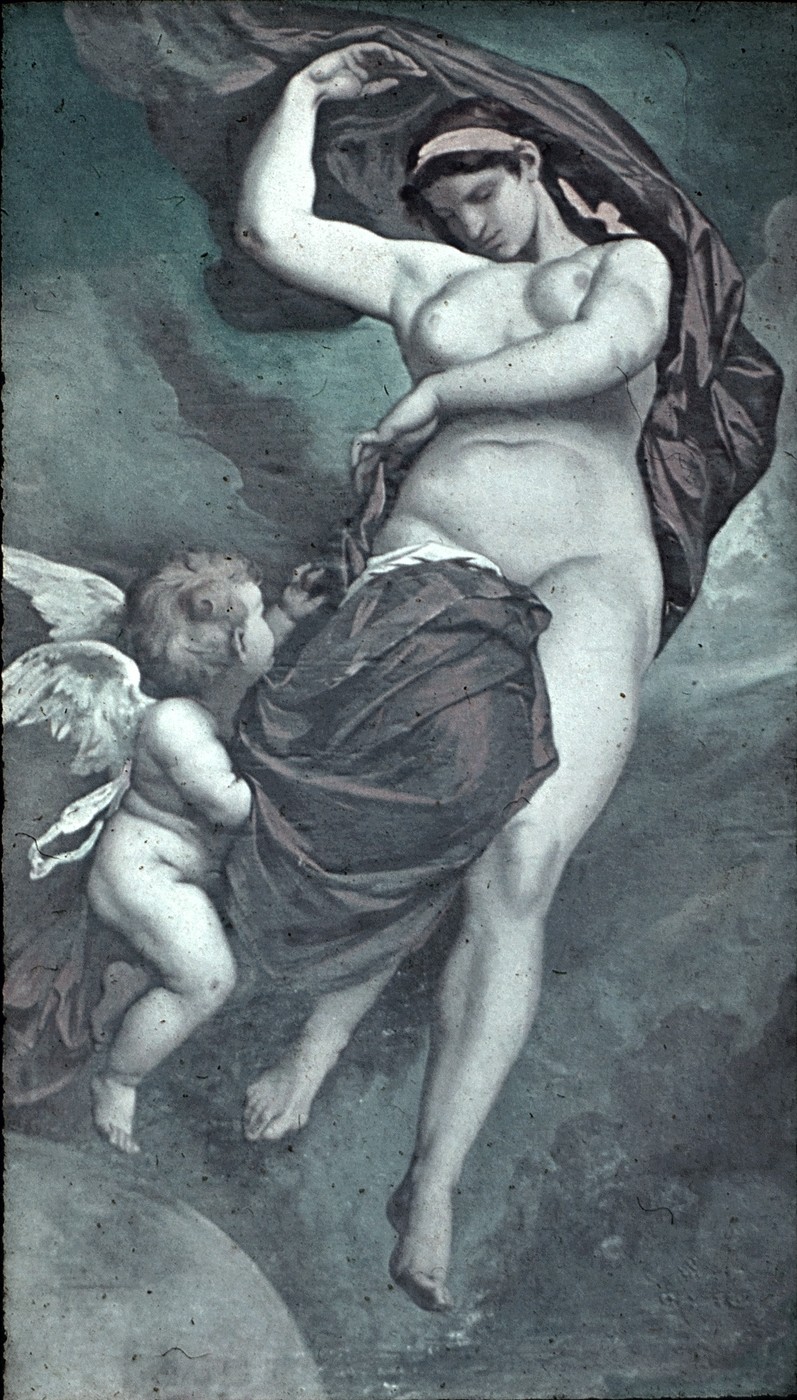
Gaia was the primordial Earth goddess, the first being to emerge after Chaos — mother of the Titans, the Giants, and virtually all life in Greek cosmology.
The Myth of Gaia
In Hesiod's Theogony, Gaia emerged from Chaos and brought forth Uranus (Sky), Pontus (Sea), and the mountains. With Uranus she bore the twelve Titans, three Cyclopes, and three Hecatoncheires. When Uranus imprisoned their children in Tartarus, Gaia fashioned an adamantine sickle and persuaded Kronos to castrate his father. She later supported Zeus against Kronos but eventually turned against the Olympians too, sending Typhon and the Giants to challenge them.
Parents
Emerged from Chaos
Symbols
Fun Fact
The Gaia hypothesis, proposed by James Lovelock in 1979, treats the entire Earth as a self-regulating system — named directly after this goddess.
Words We Inherited
English words and phrases that trace back to this myth. See our full guide to English words from Greek mythology.
Explore Further
Chronos
🌀 primordialPersonification of Time
Chronos was the primordial personification of Time itself — not the Titan Kronos, though they were often merged in later tradition.
Ananke
🌀 primordialPersonification of Necessity
Ananke was the primordial goddess of necessity, compulsion, and inevitability — the force even the gods could not resist.
Hemera
🌀 primordialPersonification of Day
Hemera was the primordial goddess of daytime, who each morning scattered the darkness to fill the world with light.
Uranus
🌀 primordialPersonification of the Sky
Uranus was the primordial sky god, born from and consort of Gaia, whose castration by Kronos separated heaven from earth.
Thesis
🌀 primordialcreation, cosmic ordering
A primordial goddess of creation in Orphic cosmogony, representing the active principle of placement and ordering that gave structure to the cosmos.
Phanes
🌀 primordialFirst-born god of creation
Phanes was the Orphic god of creation, the first being to emerge from the cosmic egg — a radiant, winged, hermaphroditic deity.
Eros
🌀 primordialPrimordial force of desire and creation
In Hesiod's Theogony, Eros was one of the first beings to emerge from Chaos — a primordial force of attraction that drove all creation.
Pontus
🌀 primordialPersonification of the Sea
Pontus was the primordial sea god, born from Gaia without a father — the first embodiment of the deep waters.
Hydros
🌀 primordialprimeval water, cosmic origin
A primordial being of water in Orphic cosmogony, existing before the separation of the elements and the emergence of the ordered cosmos.
Tartarus
🌀 primordialThe deepest abyss beneath the earth
Tartarus was both a primordial deity and the deepest pit of the cosmos — as far below Hades as earth is below heaven, the prison of the Titans and place of ultimate punishment.
Thalassa
🌀 primordialthe sea, primeval waters
The primordial goddess of the sea itself — not a deity who ruled the ocean, but the embodiment of the Mediterranean as a living divine substance.
Aether
🌀 primordialPersonification of the upper sky
Aether was the primordial god of the bright upper air that the gods breathed — distinct from the common air of mortals.